Unlock the Path to Your Wellbeing
Therapy
Therapy is a transformational journey tailored for anyone seeking to understand themselves better, overcome personal challenges, and foster emotional growth. Whether you’re navigating life’s ups and downs, dealing with mental health concerns, or simply aiming for personal development, my IMPACT Therapy Programme offers a safe, compassionate space to explore your thoughts and feelings.
What is Therapy?
Therapy, sometimes referred to as psychotherapy or counselling, is a profound process designed to help individuals understand their thoughts, behaviours, feelings and relationships.
It’s a tool for healing, self-discovery, and personal growth facilitated by professionals in a safe, confidential environment. While there are different types of therapy, all are designed to meet the unique needs of the individual clients.

Who is therapy for?
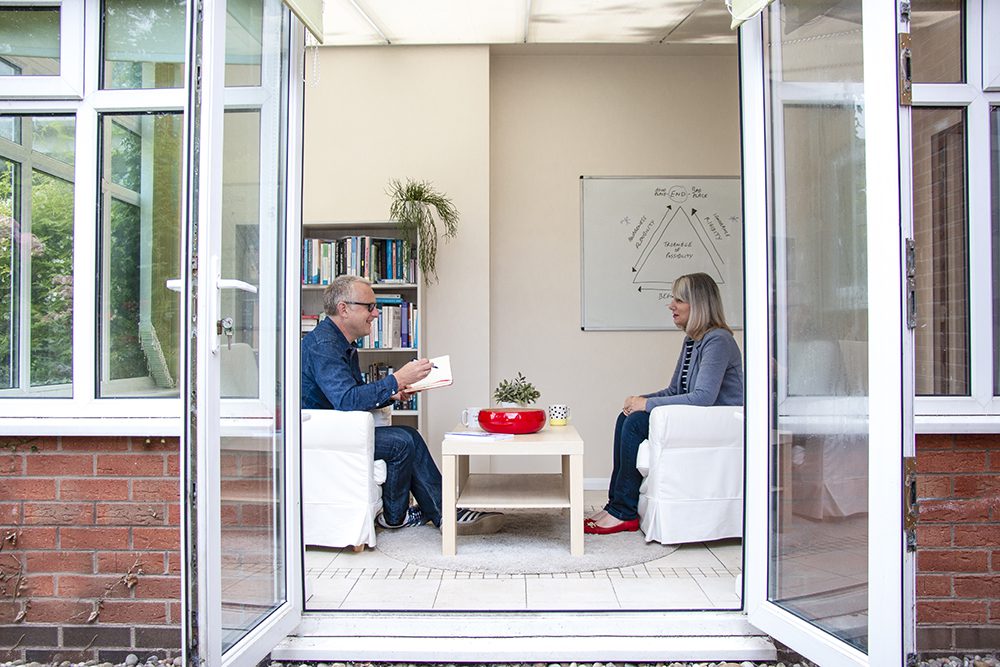
Therapy is for anyone at any stage of their life. It’s beneficial for those dealing with mental health issues like stress, anxiety, depression and anger, as well as individuals facing life transitions, relationship challenges, grief and loss.
Moreover, therapy is also a valuable resource for people who are looking to improve their self-esteem, develop healthier coping mechanisms, or simply seek a deeper understanding of themselves and their place in the world.
The 0-10 Challenge - Get Started Today
Life is too short to stay stuck. What's holding you back?
- ✓What kind of support would make the difference you’re after?
- ✓How would it feel to get your personal or professional life back on track?
- ✓Do you need someone outside your current network to help?
Personal Issues Therapy Supports
Therapy offers support across a broad spectrum of personal issues. Explore the areas where I can help you transform your life and navigate your personal challenges.
Book your discovery sessionAnxiety, Depression & Trauma
Understanding, addressing and overcoming anxiety, depression, anger, trauma and other mental health concerns through a clear understanding of their causes and responses required*.
Critical Life Stages
Navigation of critical life stages, such as career shifts, moving areas, ending and starting relationships and retirement planning, through the development of effective strategies and planning.
Communication & Relationships
Improving communication, resolving conflicts, developing assertiveness, and building healthier boundaries in relationships with partners, family members, friends, colleagues and social connections.
Grief and Loss
Coping with the death of a loved one, the end of a relationship, or any significant loss in life, such as redundancy, by understanding that there isn’t a right or wrong way to grieve, only the one that will work for you.
Self-Esteem & Growth
Enhancing self-esteem, developing better coping strategies, and promoting personal growth and emotional intelligence , such as self-awareness, self-regulation, social skills and motivation to make the good times easier to establish and maintain and the difficult ones easier to navigate and get through.
Stress Management
Learning to manage stress effectively through healthy coping mechanisms and lifestyles, developing mental and physical fitness, building new relationships with and perspectives on work and home, and accessing strengths, resources, and values.
Unhelpful Patterns
Addressing patterns of thought, behaviour, feeling and relating (to people, places and ‘stuff’) that negatively impact your life, such as avoidance, perfectionism and procrastination, people-pleasing and overeating and problematic drinking.
IMPACT Therapy Programme
My ITP is designed to help you tackle a period of crisis, trauma or historical issues for which your existing support network and resources will not be enough. The Programme focuses on developing the safe, supportive and non-judgemental relationship you need to contain difficult emotions and prevent further deterioration. Through effective therapy, the aim is to instil the confidence and self-belief you need to improve your situation and, once grounded, to build a solid foundation of strength and resources for recovery and growth through life coaching. At all times, you will have regular opportunities to gain perspective and reflect on your progress.
- Problematic Lifestyles & Poor Self-care
- Self-esteem & Self-worth
- Unhealthy Relationship Patterns
- Poor Mental Health & Wellbeing
- Lack of Assertiveness & Poor Boundary-setting
- Personal Transition, Change & Upheaval
- Anxiety & Panic, Severe Stress, Burnout, Depression, Trauma & Anger
- Loss
The ITP, which is the product of 20 years of experience gained from supporting clients to address past, present and future, includes:
- Flexible therapy/coaching programme: 18- 24 hours used in the best way for you. (Ave. term 9-12 months)
- The IMPACT Model and Resources.
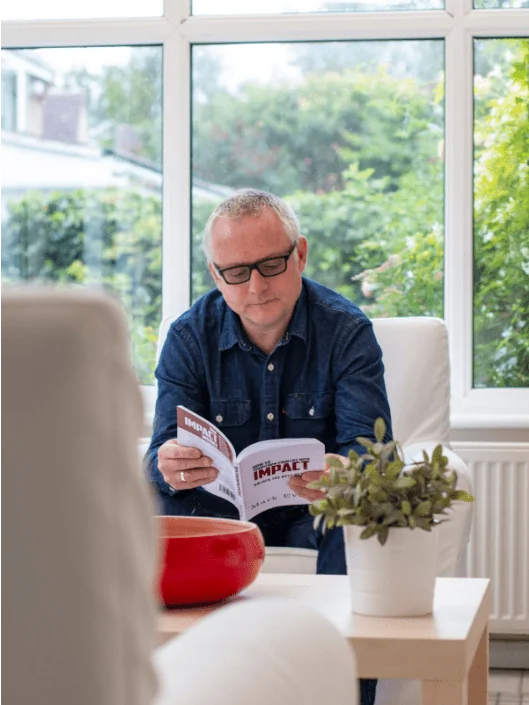
- The book 'How to Transform Your Life With IMPACT: Unlock the Best of You'.
- Access to our Therapy and Life Coaching Continuity Programmes for ongoing support.
Programme Cost £2000
It has been life changing for me
"Working with Mark has been life-changing for me. In a matter of months, he has helped me work through a number of issues that I have struggled with for the majority of my adult life. My previous experience with therapists had not been very positive, so I was sceptical that Mark would be any different. I couldn't have been more wrong. The difference with Mark is that he's also a coach. At the end of each session, I feel inspired and positive and have a plan for actions I want to take. Most importantly, the changes I have made whilst working with Mark have stuck. It's amazing how different I feel now that I'm not wasting time and energy thinking about old issues. If you sign up for a programme with Mark, you will definitely be making a positive investment in yourself and your future."
Therapy is a commitment to yourself and your wellbeing.
It's a step towards understanding your internal and external worlds, healing from past traumas, building a resilient self, and making the life you want. With the guidance of an effective therapist, you can navigate the complexities of life with greater ease and confidence.
FAQs
What is Therapy?
Therapy, sometimes known as psychotherapy or counselling, is a process designed to help individuals understand and resolve their cognitive, behavioural, emotional and relational issues. Through impactful conversations tailored to individual needs, an accredited therapist works with clients to explore their difficulties and challenges in order to develop healthier and more effective coping strategies. Therapy can help address a wide range of mental health conditions and life challenges, using a range of ideas and concepts, strategies and techniques.
How do you deliver therapy?
We offer therapy based on our unique IMPACT Model , which we have developed over many years through the study of what works when it comes to sustained and successful personal transformation. Conversations with IMPACT . Identifying the qualities and characteristics people need in their therapy conversations, such as trust and acceptance, solutions and belief, to make the difference they are after. Creating MEANING. Equipping people with the ability to make sense of why things are as they are in their lives so they can identify the causes of their challenges and the responses that will address them. Understanding PATTERNS. Showing people how to identify unhelpful patterns of thinking, behaving, feeling, and relating (to people, places, and ‘stuff’) and replace them with helpful ones. Finding ACCEPTANCE. Helping people find acceptance in who they are, what they do, and the life they lead instead of failing or struggling to see their value. Befriending CHALLENGE. Transforming challenge from an enemy into a friend using the Goldilocks Principle of Challenge: not too little, not too much, but just the right amount. Positive TRANSFORMATION. Ensuring people succeed in their personal and professional transformation by making sure they are on the right transformational journeys for their desired destinations.
What are the benefits of therapy?
Therapy provides many benefits and positive outcomes that contribute to someone’s mental, emotional and psychological wellbeing, including but not limited to: Improved communication and interpersonal skills and effectiveness. Greater self-acceptance and self-esteem. Ability to identify and break self-sabotaging habits Increased emotional intelligence, such as better self-awareness and emotional regulation Better understanding of mental health conditions, such as anxiety and depression and how to overcome them. Increased confidence and decision-making. More effective coping strategies for life’s personal and professional adversities, such as loss and bereavement or redundancy.
What is the difference between therapy and life coaching?
Life coaching and some, but not all, forms of counselling typically serve different purposes and use distinct approaches. Life coaching focuses on setting and achieving specific goals in one’s personal and professional life through finding a supportive level of challenge. It is future-oriented and aims to help clients visualise a desired future and the journey to take them there. Counselling, on the other hand, often deals with understanding and overcoming past issues that influence present ways of thinking, behaving, feeling and relating (to people, places and ‘stuff’). However, some forms of life coaching and counselling are quite similar, such as solution-focused or strategic approaches. Some practitioners offer both life coaching and therapy. This combination is increasingly sought after as, for most people, their issues do not fall neatly into one category or the other.
Which one is right for me?
To answer this question, think about whether the issues you want to work on fall neatly into one category or another. Sometimes they do, often they don’t. For example, if you are only dealing with mental health issues, emotional distress, or unresolved past issues, counselling or therapy may be the appropriate choice. Or, if your main focus is on achieving specific goals, improving personal effectiveness, or making future-oriented changes, coaching might be more suitable. However, life sometimes has a habit of being less clear-cut, which means you might want to consider combining counselling and coaching.
Can I combine counselling and coaching?
If you work with a practitioner who offers both forms of support, then yes, absolutely, as they can offer a tailored approach to your personal development and emotional healing. Although each approach requires a different focus and utilises distinct methods to achieve its goals, a coach/counsellor can safely combine the two. Another option is to use counselling to become grounded and stable, followed by coaching to ‘push on’ so you can be more and do more in life. Think of it this way. Most people would ideally be in coaching, but sometimes therapy is necessary to get them there.
Do you offer online therapy sessions?
Yes, we offer online therapy sessions that provide the same level of care as in-person ones. Never let anyone tell you that in-person is more effective than online. It is the quality of the therapy that matters, not how it is delivered. Online therapy allows for flexible scheduling and can be accessed from the comfort of your home or workplace, making it a convenient option for many individuals. These sessions are conducted through Zoom to ensure complete privacy and confidentiality.
How long does a session last?
A typical therapy session lasts 60 minutes, but the duration can vary depending on the therapeutic approach and the specific needs of the client. We build in some flexibility as we don’t like to cut people off at critical moments if at all possible. In terms of frequency, again, there is no hard and fast rule, but typically, weekly sessions are agreed upon, followed by ones arranged every two weeks or more as therapeutic progress is made. Also, in our experience, more can be achieved working online compared to face-to-face as there is less time taken up with introductions and goodbyes.
Get in touch
Contact me for your free IMPACT Consultation using the form below. I'll be in touch within 24 hours.